Vireltonix
Poetry workshop participants engaged in creative writing exercises
Students exploring verse structures and poetic forms
Interactive poetry revision session with instructor feedback
Online collaborative poetry writing environment

How We Actually Teach Poetry

  • Start with basic mechanics, not inspiration or theory
  • Write constantly during sessions, get specific notes on what works
  • Learn through editing your own drafts, not analyzing famous poets
  • Build skills through repetition and targeted exercises

Three Core Components

Our workshops focus on practical skills you can apply immediately to your writing

Weekly Writing Assignments

Each session includes specific exercises targeting one technical element: line breaks, rhythm, imagery, or sound patterns. You write during the session, submit drafts afterward, and get detailed feedback on what's working and what needs adjustment. No vague comments about "finding your voice" or waiting for inspiration.

Live Revision Sessions

We spend significant time working through actual participant poems together. You see exactly how changing a word, adjusting a line break, or removing an unnecessary stanza affects the overall piece. This isn't critique for the sake of critique—it's showing you concrete revision techniques through real examples.

Form and Structure Practice

We cover traditional forms like sonnets and villanelles, but the focus isn't memorizing rules. Instead, you write within constraints to understand how structure affects meaning. Once you know why a form works, you can modify it or break it intentionally rather than just ignoring it.

What Happens in a Session

Our workshops run for eight weeks with two-hour sessions. Each meeting follows a consistent structure so you know what to expect and can track your progress across the course. There's no waiting around for creative moments—you're writing and revising throughout.

Sessions include direct instruction, collaborative editing, and individual writing time. You're not passively listening to lectures about poetry theory. The majority of time goes toward active practice with immediate feedback from both instructors and other participants.

Between sessions, you complete assignments focused on specific techniques we covered. These aren't open-ended "write a poem about anything" tasks. Each assignment targets a particular skill: working with metaphor, controlling pace through line length, using sound repetition effectively, or structuring narrative within verse.

1

Technique Introduction

Brief explanation of one poetic element with examples from various poets showing different applications

2

Guided Practice

Timed writing exercise applying the technique—everyone writes simultaneously using a common prompt

3

Group Revision

Work through participant submissions from previous week, identifying what's effective and what needs work

4

Individual Work

Apply feedback to revise your own pieces while instructors circulate for one-on-one questions

5

Assignment Review

Clear explanation of the week's homework focusing on specific technical skills to practice

What Past Participants Say

Feedback from poets who completed the full workshop series

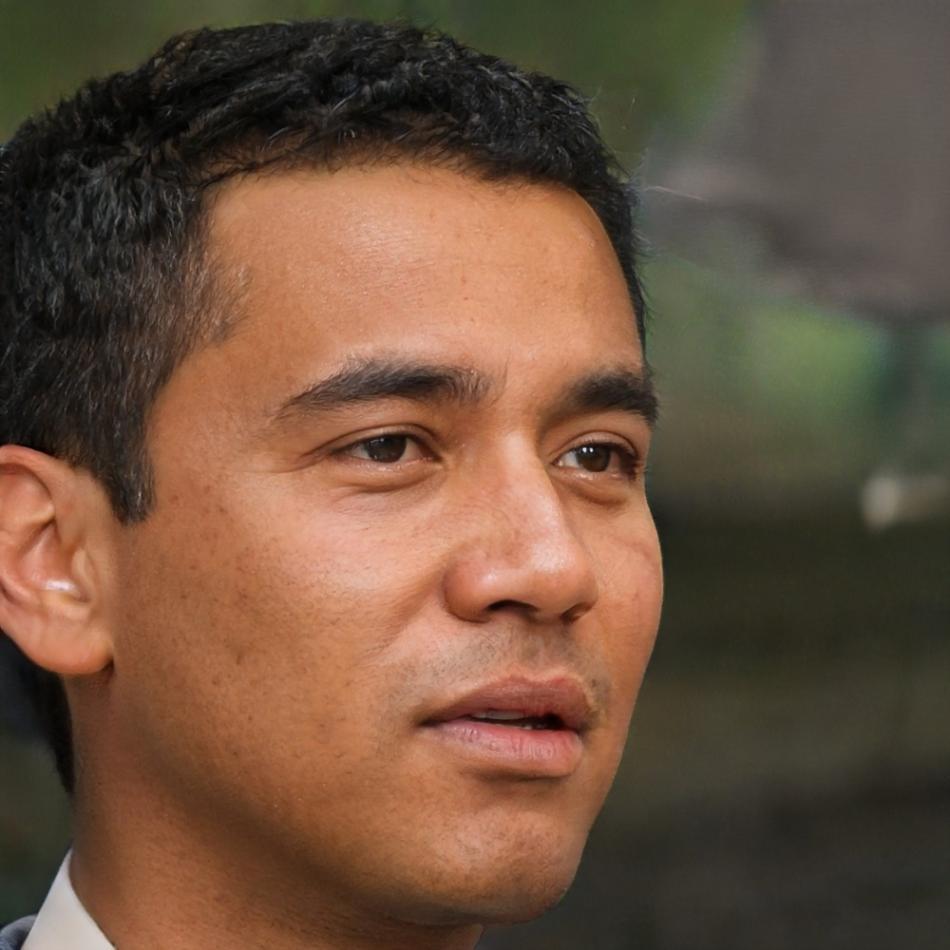
Workshop participant Doron Katz

Doron Katz

Completed Spring 2025 Workshop

The revision sessions were the most valuable part. Seeing how small changes affected entire poems taught me more than any writing book I've read. I went from writing loose prose broken into lines to actually understanding how line breaks create meaning.

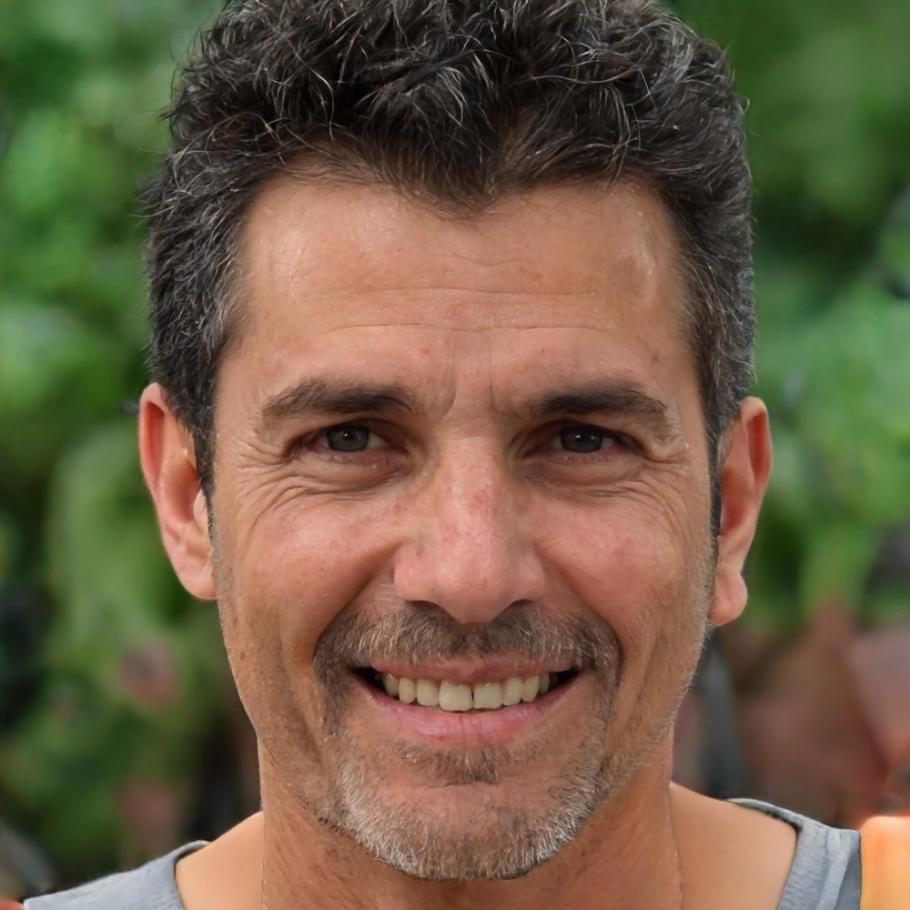
Workshop participant Eitan Rosenfeld

Eitan Rosenfeld

Completed Winter 2025 Workshop

I appreciated the focus on specific techniques rather than abstract concepts. Each week targeted one skill, and the assignments forced me to practice it until it became natural. The feedback was direct and helpful—no vague encouragement, just concrete suggestions for improvement.